

Most Aussie players learn poker by watching tells and chasing bluffs, but a tighter baseline often holds up better over a long session. GTO poker strategy explained in plain terms means building a balanced range that an opponent cannot easily exploit, rather than guessing every move. That mindset matters when you are grinding online tables late into the arvo and the swings get real. Quick cash-out habits matter too, especially when you are hunting for an instant withdrawal casino no verification australia that actually pays out without drama.
The Core Idea Behind GTO Poker Strategy Explained
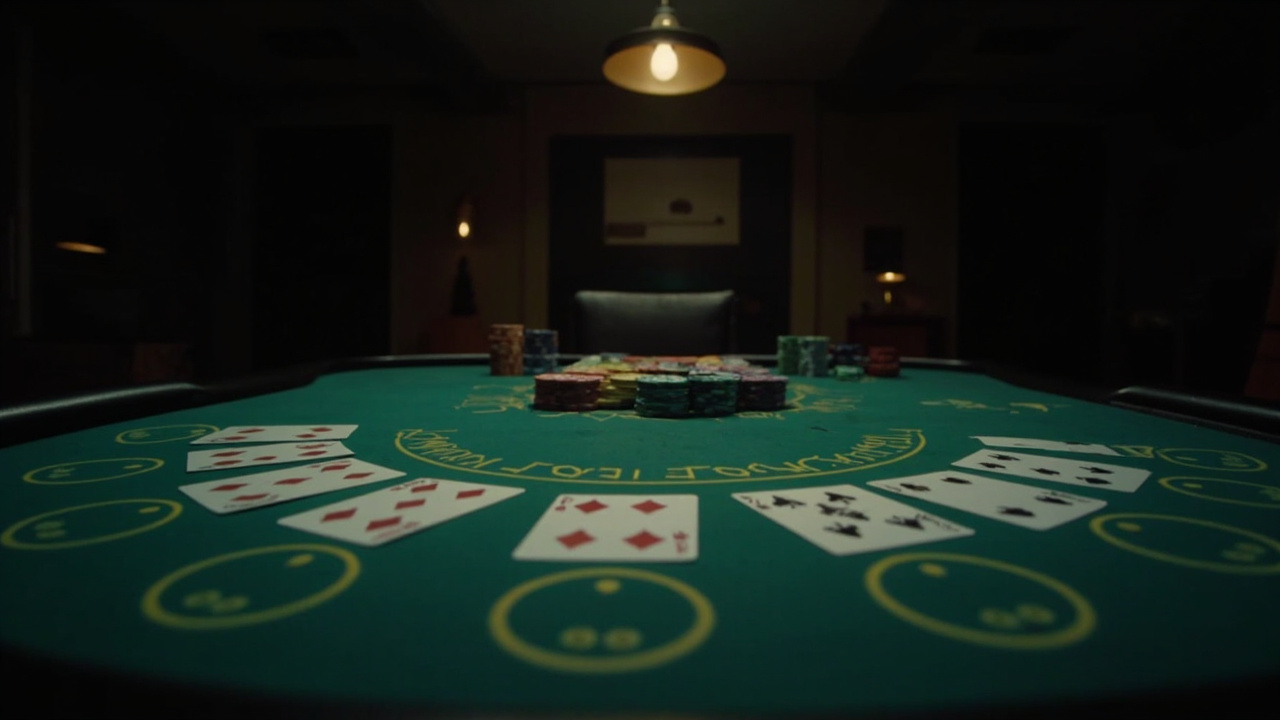
GTO stands for game theory optimal, and the whole point is to play a strategy that is unexploitable across the long run. Instead of reading one opponent’s ticks, you build a range of hands that mixes value bets and bluffs in proportions the other player cannot punish. In practice, that means your betting sizes, bluff frequencies, and calling ranges stay consistent enough that a sharp opponent cannot lean on one weakness. I have seen iGaming releases blow up because teams tested happy paths and ignored the messy edges, and poker strategy works the same way: if your ranges are lopsided, a disciplined opponent will carve you up. Harrison Wilson, Digital Acquisition Director, Harbour Bet Insights, puts it plainly: “Players who chase pure reads without a balanced baseline often overcommit to spots they should fold.” The Australian scene leans heavily on feel and table chatter, while UK cash-game regulars tend to drill balanced ranges with solvers before they ever sit down. Neither approach is magic, but the balanced one survives longer when the table gets tough. instant withdrawal casino no verification australia
Where GTO Fits in an Australian Session
Local games down the Hobart community hall or a busy Friday night home game still run on reads, timing tells, and a bit of larrikin bluffing, and that human texture is exactly where pure solver play feels clunky. GTO is not a replacement for paying attention; it is a floor that keeps you from making obvious leaks when the action heats up. In an online setting, you can use a balanced baseline for your opening ranges, then adjust when a specific opponent is folding too much or calling too wide. That hybrid approach is how most serious Aussie grinders actually operate, because a rigid solver line ignores the bloke three seats away who never folds a gutshot. International rooms in Europe and the United States tend to push solver-ready defaults harder, with more players treating balance as the starting point rather than the exception. The difference is less about skill and more about culture: here, the table talk and the local vibe still matter, and a strategy that ignores that is leaving money on the felt.
Practical Ranges and Betting Sizings
A workable GTO baseline starts with position, because the later you act, the more you can balance your range without getting stacked. On the button, you can open wider and mix in more bluffs, while in the blinds you want a tighter calling structure that does not bleed chips to every continuation bet. Sizing matters just as much: if your value bets and bluffs use similar sizes, opponents cannot easily separate them, and that is the whole point of a balanced line. I have watched release candidates pass internal QA only to collapse under real traffic because edge cases were never stress-tested, and unbalanced poker ranges fail the same way under a sharp opponent. A simple comparison helps keep the numbers honest:
| Spot | Balanced approach | Common leak |
|---|---|---|
| Button open | Wider range, mixed bluffs | Over-folding weak hands |
| Big blind vs c-bet | Defend enough, size-aware | Calling too wide out of position |
| Turn bluff | Sizing matches value line | Bluffing too often into calling stations |
The table is not a bible, just a reminder that balance is about proportions, not perfection. When you are playing late into the arvo and the table gets loose, a steady baseline keeps you from tilting into hero calls that bleed your bankroll.
Limits, Variance, and When to Deviate
No strategy survives a session untouched, and GTO is no exception when the swings start stacking up. Variance is the part most players underrate, because a balanced line can still lose a heap of pots in a row without being wrong. That is where bankroll discipline and table selection come in, because a strategy that is theoretically sound can still wreck you if you are playing stakes that are too hot for your roll. Australian players often treat a bad beat as a reason to loosen up, but a balanced range actually asks you to tighten your discipline, not your hands. Offshore rooms marketed to Aussies sometimes blur the line on licensing and regulation, so it pays to check the actual jurisdiction and terms before you commit serious money. The UK and European markets tend to be clearer on licensing labels and player protections, while the United States splits the landscape state by state, and that patchwork makes cross-border comparisons messy. A solid baseline helps, but it does not fix a table selection problem or a bankroll that is too thin for the stakes you are chasing.
GTO poker strategy explained is really about building a floor you can trust when the table gets noisy, not about playing every hand like a robot. The Aussie way still rewards reads, patience, and a bit of gut instinct, especially in local games where the human element runs hot. A balanced baseline keeps your leaks small, your sizing consistent, and your bankroll intact long enough for your edge to show up. Play the right stakes, respect the variance, and let the strategy do its job without trying to force every session into a highlight reel.

